I Workout Because I Really Like Food
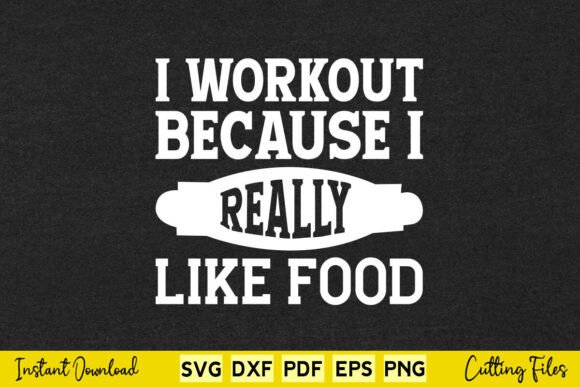
When I first downloaded the I Workout Because I Really Like Food design, my initial reaction was a mix of amusement and practical calculation. As an embroidery designer who reviews files for real-world application, I don’t just look at the visual; I look at the stitchability. This particular graphic, categorized under Crafts and Graphics, carries that specific brand of humor that resonates deeply with gym-goers who also happen to love their post-workout meals. It is relatable, slightly self-deprecating, and undeniably marketable. But does it translate well from a digital SVG to a stitched reality? That is the question I set out to answer.
First Impressions and Visual Personality
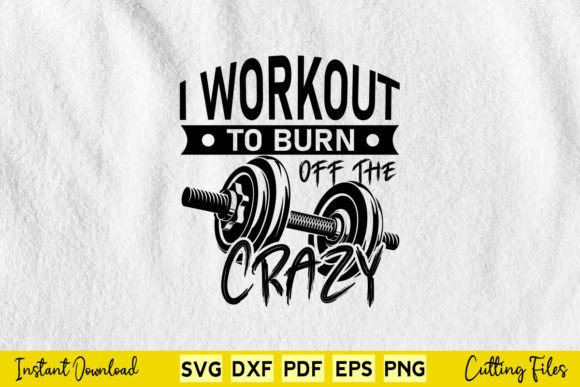
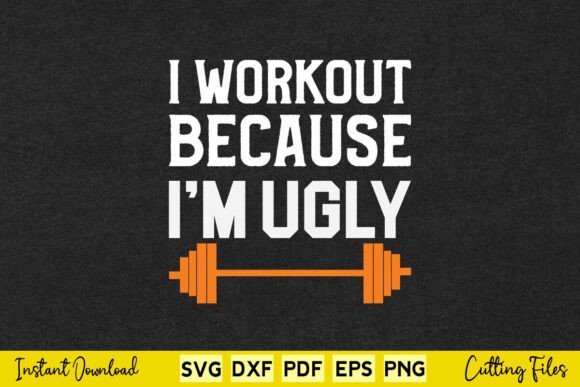
The mood of this design is casual, fun, and unpretentious. It doesn’t try to be high fashion or minimalist art; it aims for immediate recognition. The layout typically features bold lettering paired with a simple iconographic element—often a dumbbell or a fork/knife motif—to anchor the joke visually. For an embroiderer, this balance is crucial. If the text is too intricate, it becomes a nightmare to digitize cleanly. If the icon is too small, it gets lost in the fabric texture.
In its current form, the I Workout Because I Really Like Food concept feels like it belongs on a sweatshirt or a tote bag rather than a delicate handkerchief. The personality is loud enough to stand out but not so chaotic that it overwhelms the viewer. When I imagine this on a finished product, I see it creating a smile, which is exactly what you want from a handmade gift or a boutique shop item. It signals to the buyer that the creator has a sense of humor and understands the lifestyle of the end-user.
Real-World Application: Where This Design Shines
I recently tested this concept mentally across several common embroidery projects to see where it would fit best. Here is how I see it performing in actual production scenarios:
- Sweatshirt Embroidery: This is perhaps the strongest use case. Heavy cotton fleece provides a stable background for dense fill stitches. The humorous message pairs perfectly with the cozy, athletic vibe of a hoodie. Imagine a custom apparel piece for a fitness group or a personal gift for a friend who complains about their diet while eating pizza.
- Tote Bag Design: Canvas totes are durable and often carry heavy loads—literally and figuratively. A tote bag design featuring this quote appeals to anyone heading to the gym or the grocery store. The sturdy fabric can handle the thread weight without puckering, ensuring the embroidery project lasts through many washes.
- Kitchen Towels and Aprons: Don’t overlook the kitchen. This design bridges the gap between fitness and food. An embroidered patch on an apron adds a touch of personality to meal prep. It’s a great conversation starter at dinner parties and makes for a thoughtful personalized gift.
- Baby Embroidery: While the message is adult-oriented, the playful nature works for parents. Imagine this on a onesie or a nursery decor item for parents who want to keep their sense of humor alive during sleepless nights. It fits the trend of handmade product customization where parents seek unique items for their children.
For the Etsy seller or small business owner, this design offers versatility. It can be used for holiday embroidery (as a funny Christmas gift), wedding gifts (for the couple who loves food and fitness), or everyday craft fair products. Its broad appeal means it isn’t niche to a single demographic, expanding your potential customer base.
Technical Considerations and Potential Pitfalls
However, not every surface is created equal. There are specific areas where you need to exercise caution when using this machine embroidery design. First, consider the hoop size. If the design includes long lines of text, ensure your machine’s hoop size can accommodate the full width without requiring re-hooping, which can misalign the stitching. Re-hooping introduces risk, especially on stretchy fabrics like those found in sweatshirt embroidery.
Fabric texture is another critical factor. On highly textured fabrics like terry cloth or thick waffle knits, fine details may get swallowed up. You might lose the clarity of smaller letters or thin lines. In such cases, opting for a simpler digitization with thicker satins stitch outlines and robust fill stitch areas will yield better results. Conversely, on smooth fabrics like polyester blends, the design will pop, but be mindful of slippage. Always use a proper stabilizer to prevent shifting.
Dark fabrics present a contrast challenge. If the design relies on light thread colors for readability, ensure you have enough density to cover the dark background completely. Otherwise, the underlying fabric color will bleed through, making the embroidery file look cheap. Testing thread colors against your specific fabric swatches is non-negotiable.
Specific Use Cases to Avoid or Modify
- Small Hoop Sizes: If the design exceeds 4x4 inches, avoid using it on small items like baby socks or tiny patches unless you are confident in your digitizing skills to reduce scale without losing legibility.
- Stretchy Fabrics: On spandex or thin lycra, dense stitches can cause puckering. If you must use this on activewear, consider using a tear-away stabilizer and reducing the stitch density slightly to maintain flexibility.
- Curved Surfaces: Applying this to caps or hats requires careful placement. Ensure the curve of the cap matches the natural flow of the text. Misalignment here can make even a great design look amateurish.
- Detailed Corners: If the design includes sharp corners or small icons, inspect them closely. Tiny details often distort during the stitching process. Simplifying these elements before starting the job can save time and materials.
Designer Notes for Optimal Results
To ensure your finished product looks professional, follow these practical steps before committing to the final run:
- Test on Scrap Fabric: Always stitch a sample on the same type of fabric you plan to use. This reveals issues with tension, stabilizer choice, and thread friction that aren’t visible on screen.
- Check Stitch Density: Review the stitch density in your digitizing software. If it’s too high, the fabric may pucker; if too low, the design may look sparse. Adjust as needed to achieve a balanced, plush appearance.
- Inspect Small Details: Zoom in on the text and any graphical elements. Are the letters clear? Is the spacing consistent? Make sure the digital embroidery file translates accurately to physical thread.
- Compare Light and Dark Backgrounds: Create a black-and-white mockup to check contrast. This helps you decide if you need to change thread colors or add an underlay to improve visibility.
- Confirm Licensing: Before selling any commercial embroidery items, verify the license terms. Some designs allow personal use only, while others permit commercial sales with restrictions. Clear licensing protects your craft business from legal issues.
Final Verdict
The I Workout Because I Really Like Food design is a solid addition to any embroiderer’s library. It strikes a perfect balance between humor and simplicity, making it accessible to a wide audience. Whether you are creating a custom apparel piece for a client, adding a unique touch to a personalized gift, or stocking your online shop with trendy design assets, this file delivers value.
It excels in stability and visual impact, particularly on medium-to-heavy fabrics. With careful attention to hoop size, fabric selection, and stitch quality, you can produce a handmade product that customers will love and wear with pride. Just remember to test thoroughly and respect the technical limitations of your equipment. When done right, this design doesn’t just decorate fabric—it tells a story, connects with the wearer, and showcases your skill as a designer.
For the creative entrepreneur looking to expand their offerings, this is a low-risk, high-reward option. It fits seamlessly into existing categories like apparel decorators inventory or printable mockup collections. Embrace the humor, respect the mechanics of embroidery, and let this design bring a smile to your customers’ faces—one stitch at a time.