Lucky Sublimation PNG: A Designer’s Embroidery Review
As a professional designer who spends hours scrutinizing stitch paths, thread tension, and fabric compatibility, I approach every new digital asset with a healthy dose of skepticism. The market is flooded with "instant download" graphics that look stunning on a screen but fall apart under the needle. When I first encountered Lucky Sublimation PNG, my initial thought was practical: does this actually translate well into a physical, stitched product, or is it just another pretty picture destined for a printer?
This review isn’t about the pixel-perfect resolution of the file itself—though having high-resolution SVG, PNG, DXF, PDF, and EPS files is a baseline requirement for any serious digital embroidery file. Instead, we are looking at how this design performs in the real world of crafts and Graphics applied to textiles. We will evaluate its potential as a machine embroidery design, considering everything from hoop size constraints to the psychological impact on a customer browsing an Etsy shop.
First Impressions and Visual Personality
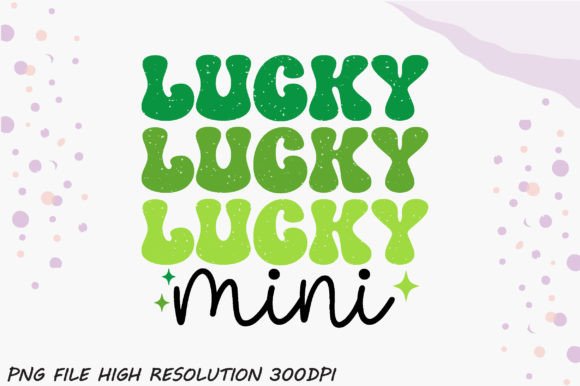
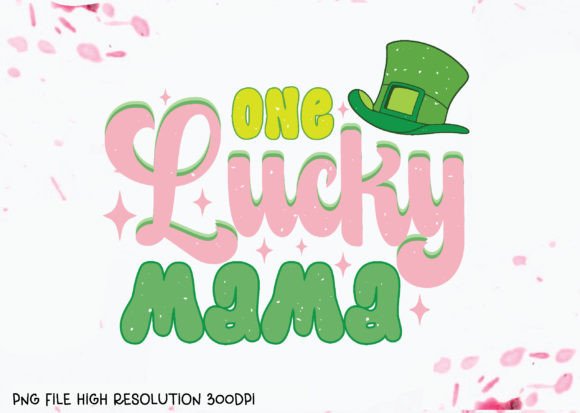
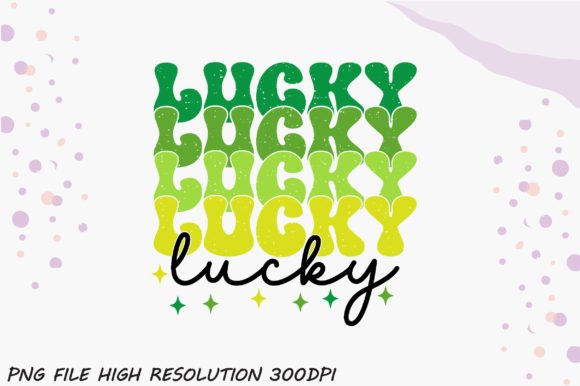
The moment you open the preview of Lucky Sublimation PNG, the mood is immediately established. It carries a distinct energy—one that feels optimistic, playful, and inherently lucky. For designers, capturing that specific emotional resonance is half the battle. If a design feels cluttered or ambiguous on a 4K monitor, it will likely look like a tangled mess of stitch density issues once embroidered.
In terms of layout and detail level, the design strikes a balance between bold statement and wearable subtlety. It doesn’t scream for attention; rather, it invites the viewer to look closer. This makes it exceptionally versatile. Whether you are creating a custom apparel piece for a teenager or a delicate baby embroidery item for a nursery, the visual personality holds up. It has a clean aesthetic that suggests modern minimalism mixed with traditional charm, which is currently trending in boutique branding.
The shape and theme feel cohesive. There are no awkward floating elements or disconnected lines that might confuse the digitizer (if you are converting it) or the embroidery machine. The visual weight is distributed in a way that suggests stability, which is crucial for a design named "Lucky." It feels grounded, not chaotic.
Real-World Application: From Screen to Stitch
Let’s talk about where this design shines. I imagine Lucky Sublimation PNG performing beautifully on a variety of substrates, provided the underlying technique is sound. Here is how it translates across different product categories:
- Tote Bag Design: Canvas totes are a staple for craft fairs and small business merch. The bold nature of the design would pop against natural canvas or black cotton. It serves as both a functional item and a walking advertisement for your brand.
- Sweatshirt Embroidery: Hoodies and crewnecks offer a large, flat surface area. This design could work perfectly centered on the chest or placed asymmetrically on the pocket area. The texture of the fleece contrasts nicely with the smoothness of the satin stitch threads often used in such designs.
- Baby Embroidery: For onesies or burp cloths, the softer connotations of "luck" and positive vibes make this an ideal choice for baby showers. However, care must be taken to ensure the scale is appropriate for tiny garments.
- Embroidered Patch: If you are selling pre-made patches, this design has high recognition value. It’s distinctive enough to be identifiable even when small, making it a great upsell item alongside larger apparel pieces.
- Holiday Embroidery: While not strictly Christmas-themed, the concept of luck transcends seasons. It works well for New Year’s gifts, St. Patrick’s Day items, or general winter holiday merchandise where people seek comfort and positivity.
For the Etsy seller or small shop product creator, versatility is currency. Having a design that can be adapted for a kitchen towel, a pillow cover, or a tea towel maximizes the return on investment for the purchase. It allows you to create a cohesive collection without needing multiple unique designs.
Where Caution Is Required
No design is perfect for every situation. As an experienced reviewer, I must highlight the areas where Lucky Sublimation PNG requires careful handling:
- Small Hoop Sizes: If the design contains intricate details, attempting to shrink it too far down may result in lost definition. Tiny letters or fine lines can merge together, creating a muddy appearance. Always check the minimum recommended hoop size.
- Textured and Stretchy Fabrics: Embroidering on heavy denim, terry cloth, or highly stretchy jersey knits can distort the design. Without proper stabilizer support, the fill stitch areas may pucker, ruining the clean lines of the artwork.
- Dark Fabric Contrast: Ensure your thread colors provide sufficient contrast. If the design relies on subtle shading or light-colored threads, it may disappear against dark backgrounds. Test this by placing a white thread sample over your chosen fabric before committing to the full run.
- Curved Surfaces: Applying this to caps or curved hat fronts requires advanced hooping techniques. Flat designs can look distorted if not properly adjusted for curvature during digitization or placement.
Impact on Product Value and Customer Trust
In the handmade economy, presentation is everything. A high-quality finished product elevates the perceived value of your labor. Using a well-structured design like Lucky Sublimation PNG signals professionalism. It shows customers that you care about the integrity of the image, not just the speed of production.
When a customer receives a personalized gift with crisp edges, consistent stitch density, and no visible backing showing through, their trust in your brand increases. They are more likely to leave a positive review, recommend your shop to friends, and return for future purchases. Conversely, a sloppy execution—even with a beautiful original file—can lead to returns and negative feedback.
Furthermore, the "lucky" theme taps into a universal desire for good fortune. Whether it’s a personalized gift for a friend starting a new job, a wedding favor, or a motivational piece for a home office, the emotional connection drives engagement. Buyers aren’t just buying thread and fabric; they are buying a sentiment. Your role as the designer is to deliver that sentiment clearly and beautifully.
Practical Designer Notes for Implementation
Before you load this file into your machine or send it to a print-on-demand service, follow these essential steps to ensure success:
- Test on Scrap Fabric: Never run a new design directly onto your final product. Use a scrap piece of the same material and stabilizer combination to check for puckering, thread breaks, or alignment issues.
- Review Stitch Density: Look closely at the dense areas. Are there too many stitches packed into a small space? Excessive density can cause the fabric to stiffen uncomfortably or break the needle. Adjustments may be needed depending on your machine’s capabilities.
- Black and White Mockup: Convert the design to grayscale to check for contrast issues. This helps identify areas that might get lost in the stitching process, especially if you are using monochromatic thread palettes.
- Confirm Licensing: Since this is a digital asset, verify the license terms carefully. Are you allowed to sell finished items made from this design? Can you use it in commercial embroidery projects for clients? Clarifying this prevents legal headaches later.
- Choose the Right Stabilizer: The stability of your project depends heavily on the stabilizer. For lightweight fabrics, a tear-away or cut-away stabilizer is crucial. For heavy fabrics, a water-soluble topping might help maintain the crispness of the running stitch details.
Final Verdict
Lucky Sublimation PNG is a strong contender for designers looking to expand their catalog with meaningful, versatile assets. Its clean aesthetic and positive theme make it suitable for a wide range of applications, from commercial embroidery to heartfelt handmade products. While it requires standard precautions regarding fabric choice and hoop size, its potential to enhance brand consistency and customer satisfaction is significant.
If you are an apparel decorator, creative entrepreneur, or hobbyist seeking to add a touch of optimism to your creations, this design offers a solid foundation. Just remember: the best embroidery results come from preparation. Test thoroughly, choose your materials wisely, and let the quality of your work speak for itself. In a crowded marketplace, that professionalism is what turns a one-time buyer into a loyal customer.